By David Cozzens
Achieving fitness goals isn't just about how hard you can push during a workout; it's also about how well you recover afterward. Efficient recovery is crucial for muscle repair, strength building, and overall performance enhancement. In Orange County, where fitness trends are as dynamic as the landscape, personal trainers emphasize the importance of incorporating advanced recovery techniques into training routines. Here’s a guide to the most effective recovery methods recommended by top personal trainers in Irvine and beyond.
Importance of Recovery
Recovery is vital because it allows your body to heal and strengthen. Without adequate recovery, not only is progress hindered, but the risk of injury also increases. This is why Orange County's best personal trainers integrate specialized recovery techniques into their clients' fitness plans.
Active Recovery
Active recovery involves performing low-intensity exercise during the recovery period. This might include activities like walking, easy cycling, or light yoga. The idea is to keep the muscles moving without exerting too much effort, which can help to enhance blood flow and nutrient delivery to the muscles, aiding in faster recovery.
Tips for Active Recovery
Keep the activity low impact and low intensity.
Focus on movement patterns that are different from your regular workouts to engage different muscle groups.
Stretching and Flexibility Work
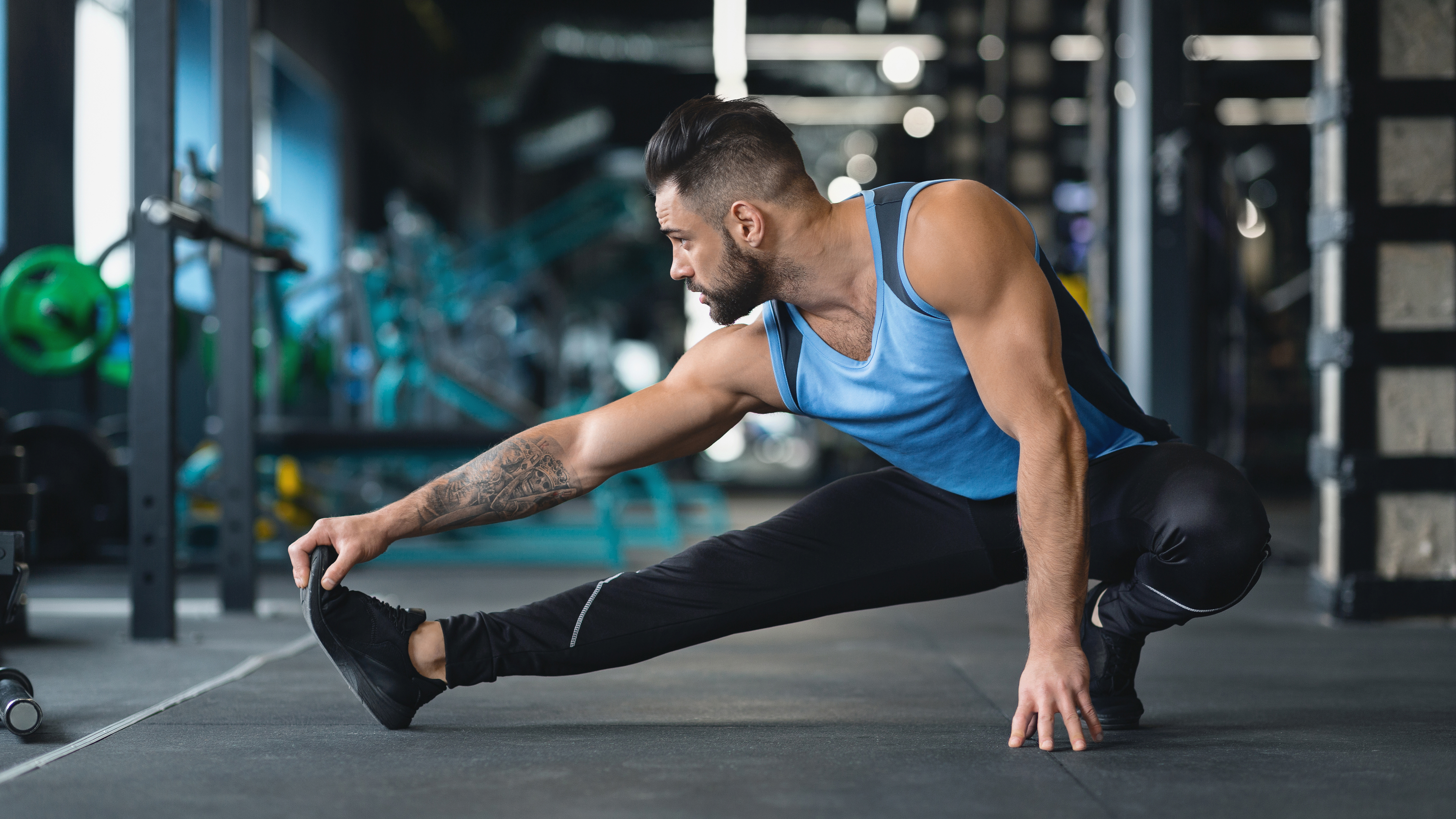
Stretching is a fundamental part of any recovery routine. It helps to improve flexibility, reduce muscle tension, and prevent stiffness. Personal trainers in Irvine often incorporate a variety of stretching techniques post-workout, including dynamic stretches to cool down and static stretches to improve flexibility.
Tips for Effective Stretching
Include a mix of dynamic and static stretching in your routine.
Hold each static stretch for at least 30 seconds to benefit muscle recovery and flexibility.
Hydration and Nutrition
Recovery isn’t just about what you do physically; it’s also about what you consume. Staying hydrated and eating a balanced diet rich in proteins, healthy fats, and carbohydrates helps repair muscles and replenish energy stores.
Recovery Nutrition Tips
Consume a protein-rich snack or meal within 45 minutes after exercising to aid muscle repair.
Drink plenty of water and consider electrolyte-replenishing beverages if you sweat a lot during exercise.
Sleep and Rest
Quality sleep is perhaps the most underestimated recovery tool. During sleep, your body undergoes profound healing and regenerative processes. Orange County personal trainers stress the importance of getting 7-9 hours of quality sleep per night to support recovery.
Tips for Better Sleep
Establish a consistent sleep schedule.
Create a restful environment in your bedroom (e.g., dark, quiet, and cool).
Massage and Foam Rolling
Massage and foam rolling are excellent for alleviating muscle soreness and improving circulation. These techniques help to break down knots in the muscles and increase blood flow, which speeds up recovery.
Self-Massage Techniques
Invest in a foam roller or use tennis balls to target tight muscles.
Spend 5-10 minutes daily on foam rolling, focusing on each major muscle group.
Professional Guidance
For optimal recovery, it's advisable to consult with a personal trainer who can tailor recovery strategies to your specific needs. They can provide insights into the latest recovery technologies and methods, ensuring that your body gets the care it needs to perform at its best.
If you’re looking to enhance your fitness regimen with effective recovery techniques, visit Train with Dave to connect with an expert personal trainer in Orange County. They can guide you through a personalized recovery plan that maximizes your performance and ensures your body stays healthy and strong.
Want recovery built into your program?
Free 45-minute consultation at any of our three Orange County studios in Irvine, Orange, or Laguna Hills. We'll audit your training, sleep, and nutrition — then build a plan that recovers as hard as it trains.
Book Your Free Consultation →Frequently Asked Questions
What recovery technique do Orange County personal trainers recommend first?
Sleep. Nothing compares to 7 to 9 hours of quality sleep for muscle repair, hormone regulation, and nervous system recovery. We tell every Irvine, Orange, and Laguna Hills client to fix sleep before they buy another gadget.
How long should I hold static stretches after a workout in Orange?
Hold each static stretch at least 30 seconds. We program 10 to 15 minutes of cool-down stretching after sessions at our Orange and Irvine studios, focused on the muscles worked that day.
Do I need foam rolling if I have a Train With Dave trainer in Laguna Hills?
Foam rolling 5 to 10 minutes per day on major muscle groups helps between sessions. We'll show you the correct technique at your Laguna Hills studio so you get real benefit, not just discomfort.
What should I eat within 45 minutes of training in Orange County?
A protein-rich meal with complex carbs — 25 to 40 g of protein plus carbs like rice, sweet potato, or oats. We personalize exact amounts in your Train With Dave nutrition plan.
How much does personal training cost in Irvine, Orange, or Laguna Hills?
Train With Dave averages $60 to $80 per session — includes a fully customized workout program, personalized nutrition plan, training app, and direct trainer access between sessions.
Ready to Transform Your Body in Orange County?
Train With Dave has helped thousands of Orange County residents achieve their goals — with locations in Irvine, Orange, and Laguna Hills.
Book Your Free Consultation: calendly.com/trainwithdaveoc/1hr
No pressure. No commitment. Just a real conversation about your goals.