At Train With Dave's three Orange County studios — Orange, Irvine, and Laguna Hills — this question comes up in client sessions every week.
By David Cozzens

Table of Contents: Unveiling the Power of Protein for Weight Loss
Introduction
1.1 Understanding Common Approaches to Weight Loss
1.2 The Overlooked Role of Protein in Weight Management
1.3 Setting the Stage for Exploring Protein's Impact on Weight Loss
Satiating Effects of Protein
2.1 The Key Role of Satiety in Weight Loss
2.2 Hormonal Impact: GLP-1, PYY, and the Suppression of Ghrelin
2.3 Scientific Insights: Studies Demonstrating Protein's Satiating Effects
Impact on Metabolism
3.1 The Thermic Effect of Protein: How It Boosts Caloric Expenditure
3.2 Muscle Preservation: Protein's Contribution to Metabolic Rate
3.3 Research Highlights: Studies Illustrating Protein's Metabolic Impact
Best Sources of Protein
4.1 The Protein Powerhouses: Overview of Top Protein Sources
4.2 Chicken Breast: Lean and Protein-Rich
4.3 Greek Yogurt: A Creamy Source of Protein and Probiotics
4.4 Lentils: Plant-Based Protein Packed with Fiber
4.5 Tuna: A Seafood Staple with High Protein Content
4.6 Egg Whites: Versatile and Low in Calories
4.7 Ribeye Steak: Balancing Flavor and Protein Intake
4.8 Choosing Wisely: Tailoring Protein Sources to Dietary Goals
Conclusion
5.1 Recap of Protein's Weight Loss Benefits
5.2 Practical Takeaways: Incorporating Protein into Your Daily Diet
5.3 A Reminder for Success: Balancing Quality and Variety in Protein Choices
Sources for Introduction:
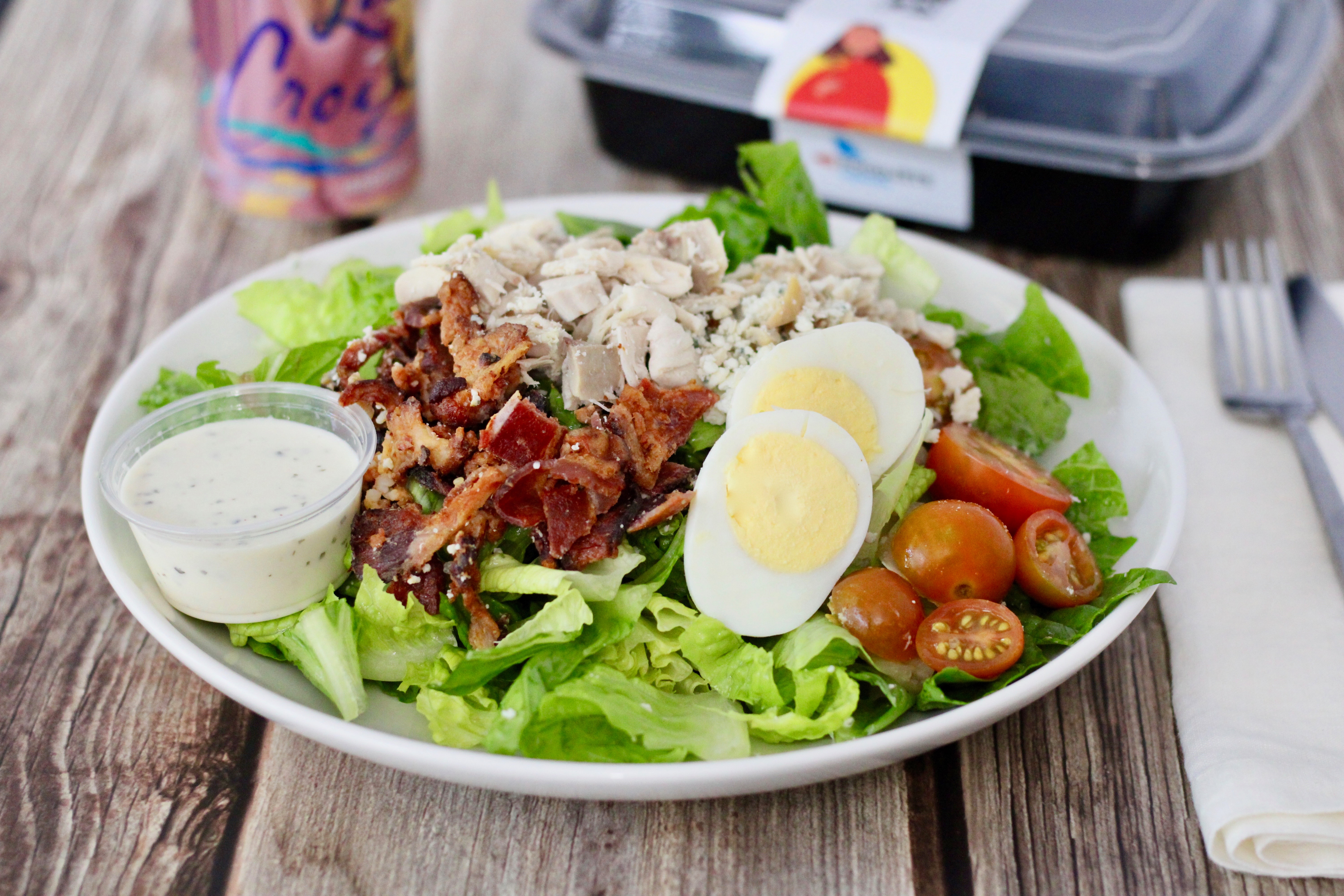
Introduction: When it comes to weight loss, many people focus on reducing their calorie intake and increasing their physical activity. However, protein intake can also play a crucial role in helping individuals achieve their weight loss goals. In this article, we will explore the power of protein and how it can fuel your weight loss journey.
Satiating Effects of Protein: One of the main reasons why protein is beneficial for weight loss is its ability to increase feelings of fullness and satiety. This means that individuals who consume a high-protein diet are less likely to overeat or snack between meals, ultimately leading to a reduction in overall calorie intake. Research has shown that protein can increase satiety hormones such as GLP-1 and PYY, while also reducing levels of ghrelin, a hormone that stimulates appetite. In one study, participants who consumed a high-protein breakfast reported feeling less hungry and more satisfied throughout the day compared to those who ate a lower protein breakfast.
Impact on Metabolism: In addition to its satiating effects, protein can also boost metabolism. This is because protein has a higher thermic effect compared to carbohydrates and fats, meaning that the body burns more calories digesting and metabolizing protein. Furthermore, protein can also help preserve muscle mass during weight loss. When individuals reduce their calorie intake, there is a risk of losing both fat and muscle mass. However, consuming adequate amounts of protein can help prevent muscle loss, allowing individuals to maintain their metabolic rate and burn more calories.
Best Sources of Protein: Now that we have established the benefits of protein for weight loss, let's explore the best sources to incorporate into your diet. The following table outlines some of the top sources of protein, along with their respective protein content per serving: | Food | Protein Content per Serving |
| Chicken Breast | 31g | | Greek Yogurt | 23g | | Lentils | 18g | | Tuna | 35g | | Egg Whites | 30g | | Ribeye Steak | 21g |
As you can see, there are many different sources of protein to choose from. It is important to note that not all protein sources are created equal, and some may be higher in fat and calories than others.
Conclusion: In conclusion, protein is a powerful tool for weight loss. Its satiating effects can help individuals consume fewer calories, while its impact on metabolism can help burn more calories. By incorporating protein-rich foods into your diet, you can support your weight loss journey and achieve your goals. Remember to choose high-quality protein sources and aim for a balanced and varied diet.
Want your protein target dialed in?
Free 45-minute consultation at any of our three Orange County studios in Irvine, Orange, or Laguna Hills. We'll map your macros, your meals, and your training around your actual goal.
Book Your Free Consultation →Frequently Asked Questions
How much protein should I eat to lose weight?
Most clients at Train With Dave do well with 0.8–1.0 gram of protein per pound of goal body weight per day. Your coach will set an exact target based on your body composition and activity level.
Does high protein cause weight gain?
No. Protein has a high thermic effect — your body burns more calories digesting it than it does carbs or fat. Combined with appetite suppression, it typically helps with fat loss rather than weight gain.
What are the best protein sources for weight loss?
Chicken breast, egg whites, Greek yogurt, tuna, lean beef, cottage cheese, lentils, and tofu. Focus on lean sources that give you the most protein per calorie.
Can I get enough protein without supplements?
Absolutely. Protein shakes are a convenience tool, not a requirement. Whole foods always come first in our Irvine, Orange, and Laguna Hills programs.
How much does nutrition coaching cost in Orange County?
Train With Dave averages $60 to $80 per session — and that includes a fully customized workout program, personalized nutrition plan, training app, and direct access to your trainer between sessions. Exact pricing is customized during your free consultation.
Ready to Transform Your Body in Orange County?
Train With Dave has helped thousands of Orange County residents achieve their goals — with locations in Irvine, Orange, and Laguna Hills.
Book Your Free Consultation: calendly.com/trainwithdaveoc/1hr
No pressure. No commitment. Just a real conversation about your goals.