Am I too old to start strength training?
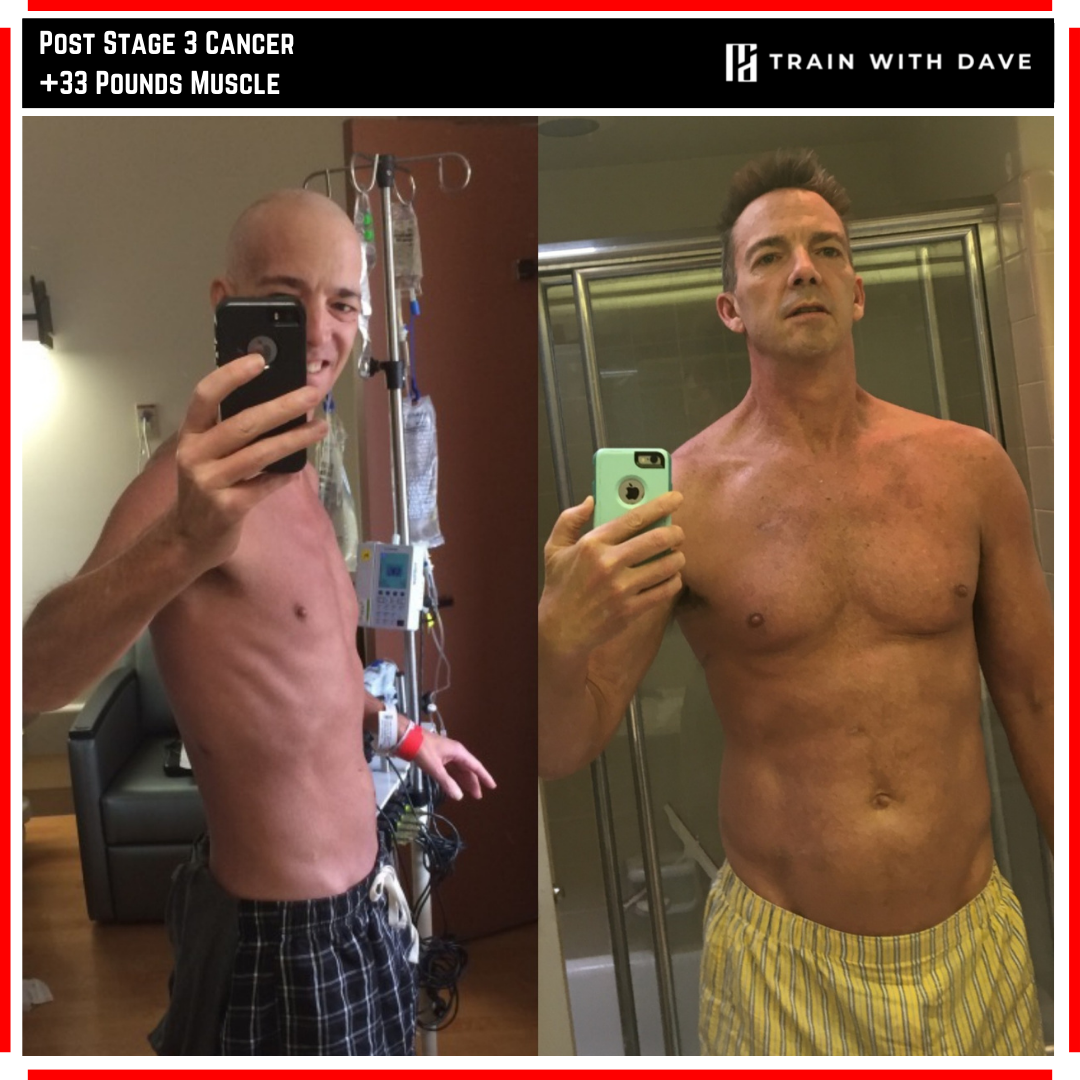
No. The research is overwhelming — adults in their 60s, 70s, and 80s build measurable muscle and strength when training is programmed correctly. Real Train With Dave clients prove it: Scott S. rebuilt 33 lbs of muscle in his 60s after stage-3 cancer; clients in their 40s, 50s, and 60s routinely add 8 to 15 lbs of muscle in their first year. The bigger risk after 40 is NOT training — sarcopenia (age-related muscle loss) costs you 3 to 8 percent of your muscle every decade if you don't push back.
Does building muscle actually help you live longer?
The evidence is strong. Muscle mass and strength — measured by things like grip strength and lean body mass — are among the most reliable predictors of all-cause mortality and of healthspan, the years you stay independent and capable. After 40, sarcopenia strips 3 to 8 percent of your muscle each decade and bone density falls with it, which is what drives frailty and falls later in life. Progressive strength training is the most effective way to push back, which is why longevity research now puts lifting at the center of aging well. A Train With Dave over-40 program is built to add and protect that muscle, strength, and bone density.
I have back/knee/shoulder pain. Can I still train?
Almost always yes — and trained correctly, strength work is one of the most effective ways to reduce chronic joint pain long-term. Your program is built around your specific restrictions: hinge variations that protect a bad back, single-leg work that strengthens around a bad knee, scapular work that decompresses problem shoulders. We've worked with clients managing arthritis, herniated discs, post-surgical recovery, nerve damage, and chronic pain. The movement screen during your free consult shows us exactly what to scale and what to load.
I haven't worked out in 20 years. Is that a problem?
It's our most common starting point. Every program assumes zero current fitness and builds from there. The first 6 weeks focus on movement quality, joint mobility, and re-grooving basic patterns (squat, hinge, push, pull) before we add real loading. Clients who have been completely sedentary for years are often shocked at how quickly strength returns once consistent training starts.
How is training over 40 different from training in your 20s?
Three real differences: (1) recovery takes longer, so weekly volume is lower and rest days matter more, (2) protein needs go up — 35 to 45 grams per meal instead of 25, (3) joint-friendly exercise selection — more machine work, more single-leg, less max-effort barbell when not warranted. Everything else (progressive overload, consistent nutrition, sleep) works exactly the same. The fundamentals don't change with age; the dosing does.
I'm going through menopause / perimenopause. Can training help?
Yes, significantly. Strength training is one of the highest-leverage interventions during peri- and post-menopause: it directly counters the bone density loss, muscle loss, and metabolic slowdown that come with the hormonal shift. It also helps with sleep, mood, and the visceral fat gain many women experience around the midsection. We program with these realities in mind — heavier compound lifts (women's bones and muscles need real loading), recovery built around sleep changes, and nutrition that accounts for declining estrogen.
See our full guide to training through perimenopause and postpartum →
What about low testosterone or hormonal issues for men?
Resistance training is one of the few non-medical interventions shown to improve testosterone production naturally — particularly heavy compound lifts done with adequate recovery. We won't promise you'll fix clinically low T with the gym (you may need to see a doctor), but training and nutrition done right will move the needle on energy, body composition, and libido. If you're already on TRT, all the better — your training response will be even stronger.
How much does training cost?
Train With Dave programs average $60 to $80 per session — and that price includes a fully customized workout plan, personalized nutrition and caloric intake plan, training app, and direct trainer access between sessions. Most over-40 clients train 1 to 3 times per week. We'll go through pricing in detail during your free consultation.
How long until I see real results?
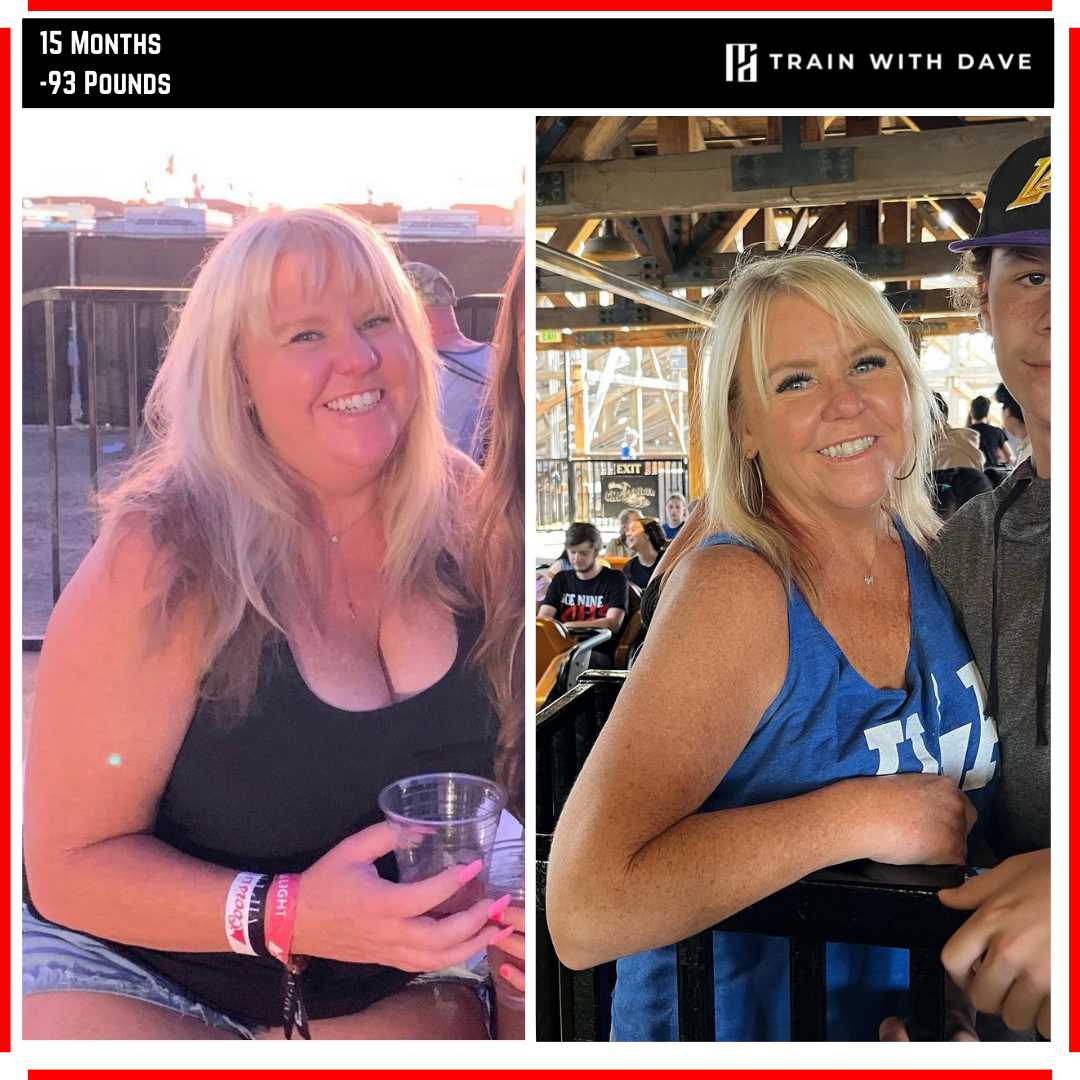
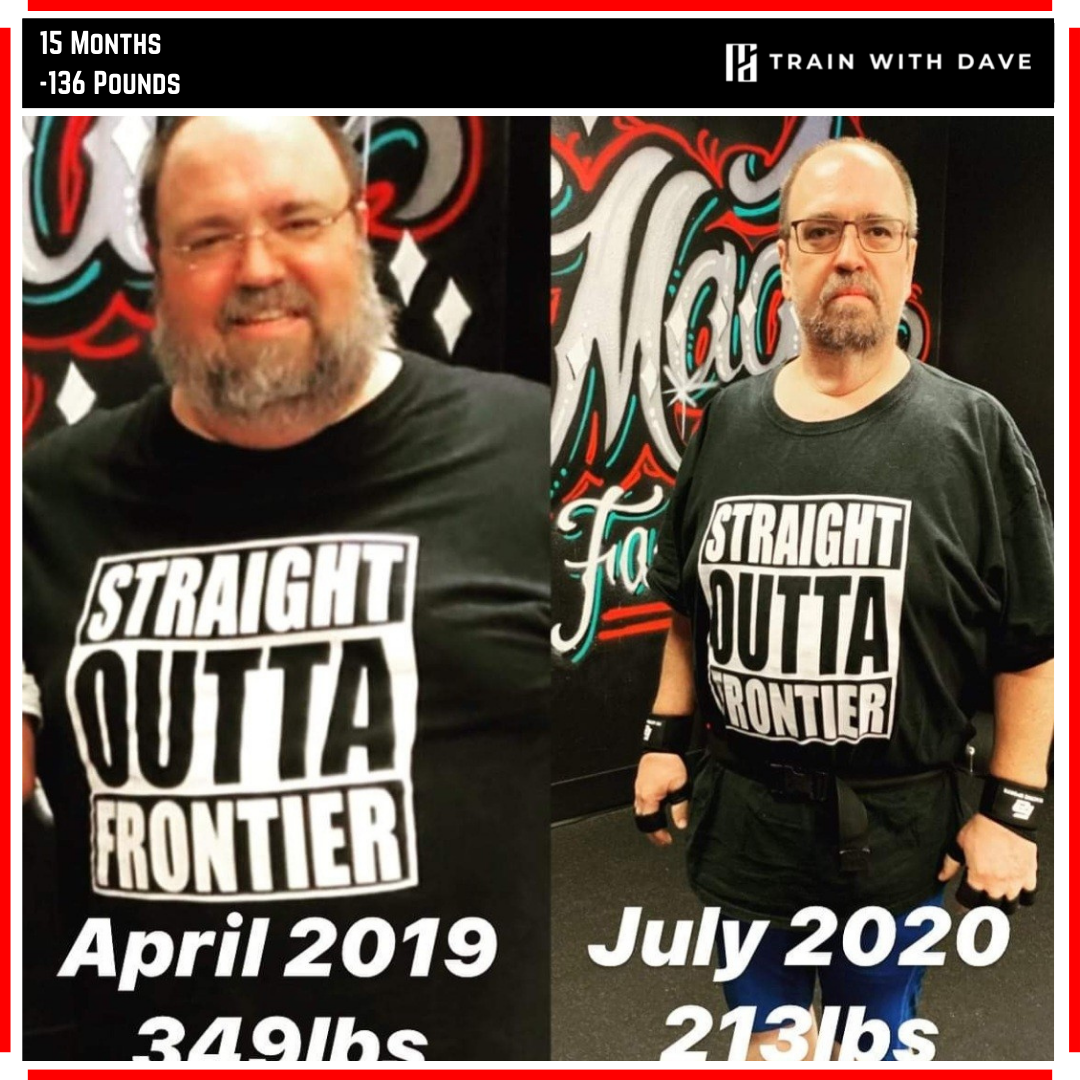
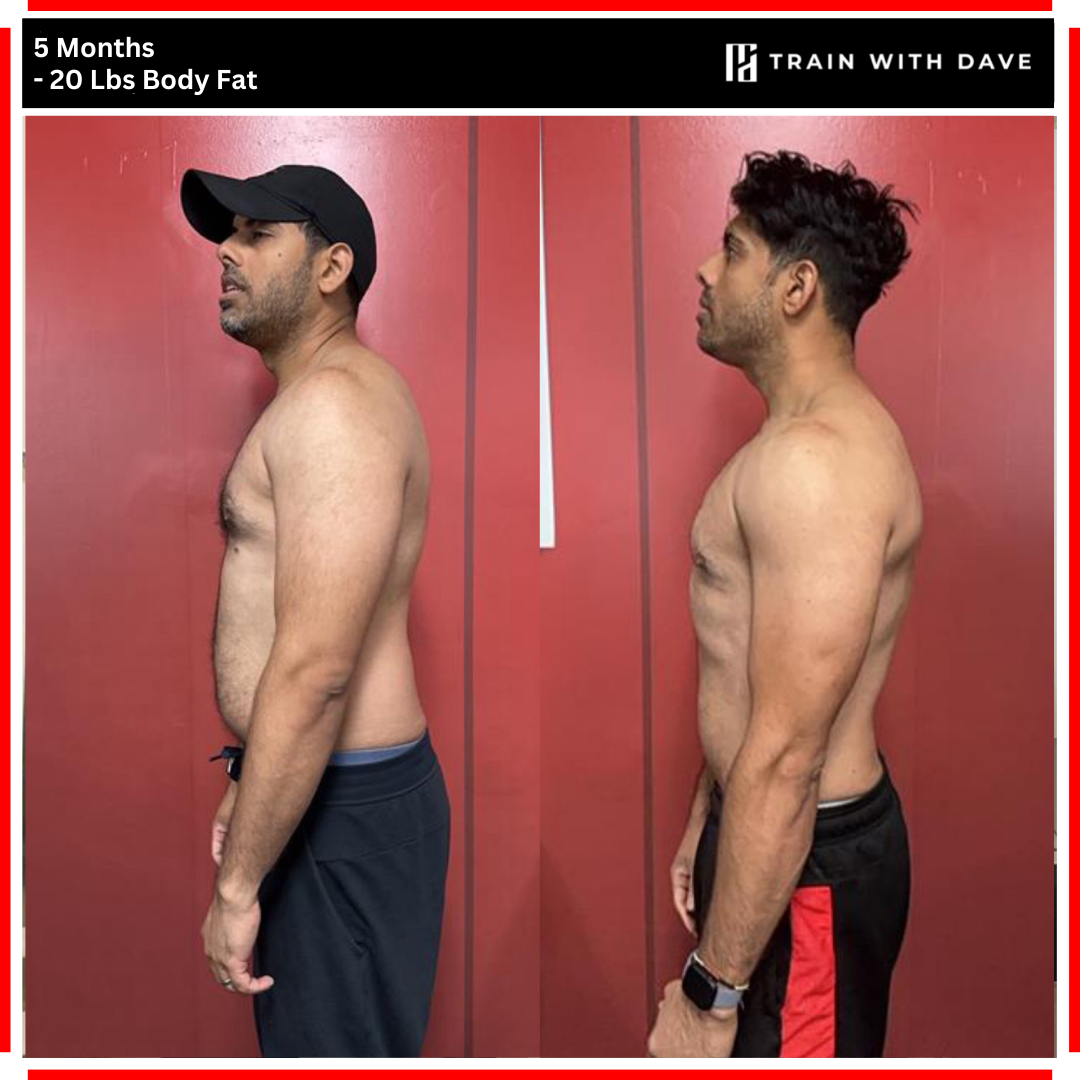
Most over-40 clients feel stronger and sleep better within 2 to 3 weeks. Visible body composition changes typically appear between weeks 6 and 10. Major transformations — like the kind you see on our success stories page — are 6 to 18 month journeys. The biggest predictor of result speed is consistency, not age.
Is personal training worth it over 50?
For most people over 50, yes — and the reason is not motivation, it is programming. After 50, muscle and bone respond to the right stimulus but punish the wrong one. A coach who studied the physiology sets loads, progressions and recovery so you get stronger without flaring a joint or wasting a year on the wrong plan. Train With Dave clients in their 50s and 60s lift 2–3 times a week at our Orange County studios; several of the results on our success stories page started after 50.
Do I need a personal trainer over 40, or can I just follow a program?
You can follow a program at any age. What changes after 40 is the cost of getting it wrong — a tweaked back or a stalled six months matters more than it did at 25. Personal training over 40 buys you three things a PDF cannot: form checked every rep, a plan adjusted to how your body actually recovers that week, and someone who notices when you are about to skip. Every Train With Dave coach is college-educated in exercise science, sessions are customized personal training at $60–$80 per session, and the first 45-minute consultation is free.