Postpartum. Perimenopause. After 40. Your body composition, your recovery, and your appetite genuinely change — and those changes are measurable, well documented, and trainable. Coached in private Orange County studios by people who studied the physiology. Programs run $60–$80 per session.
No credit card. No pressure. Instant confirmation.
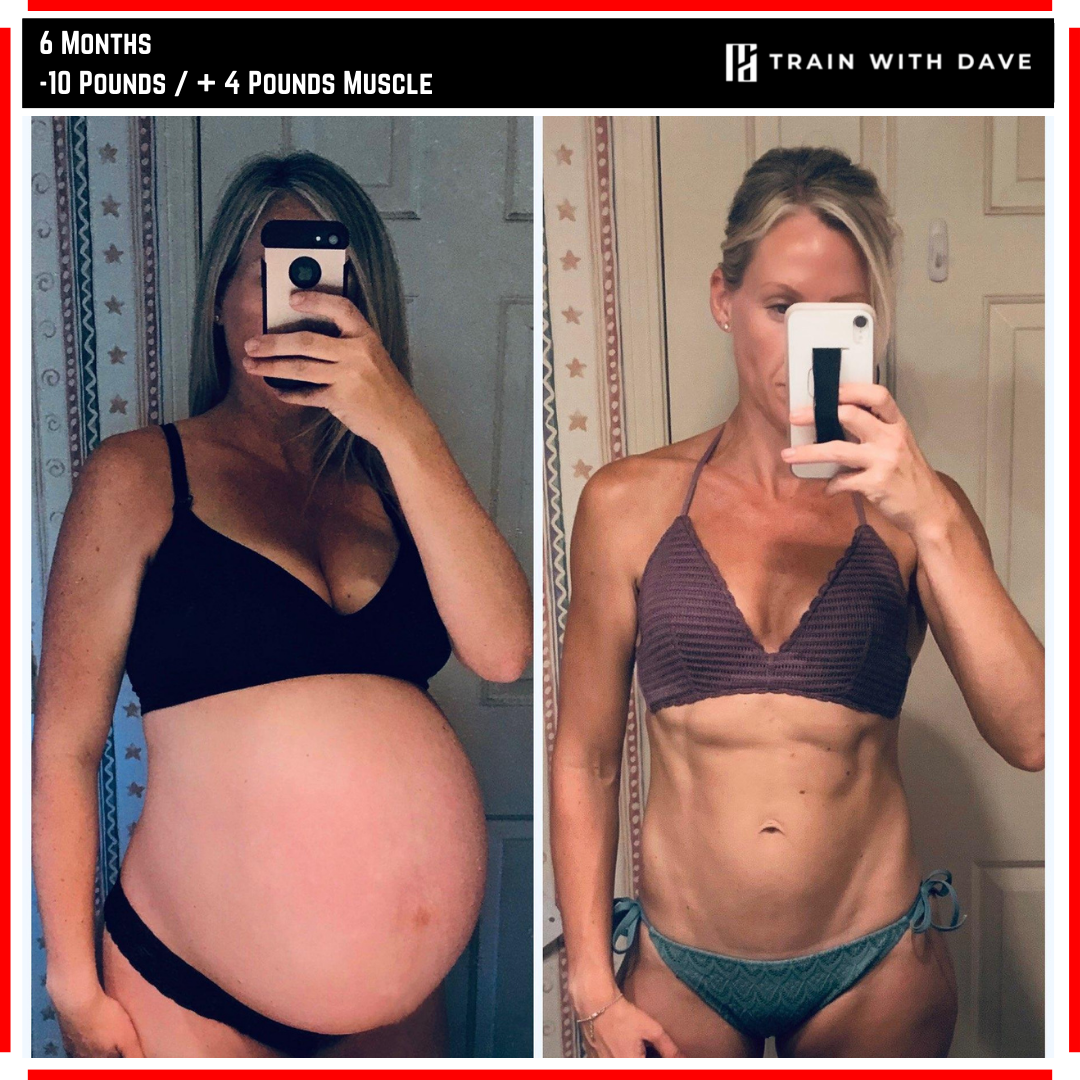
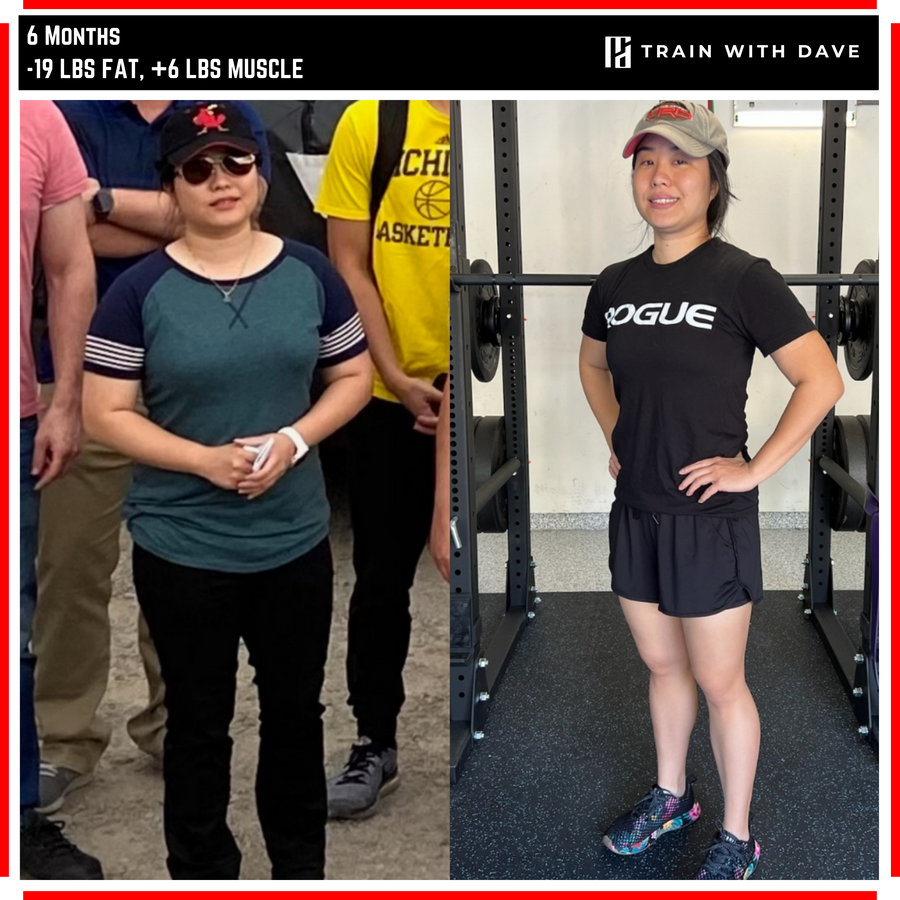
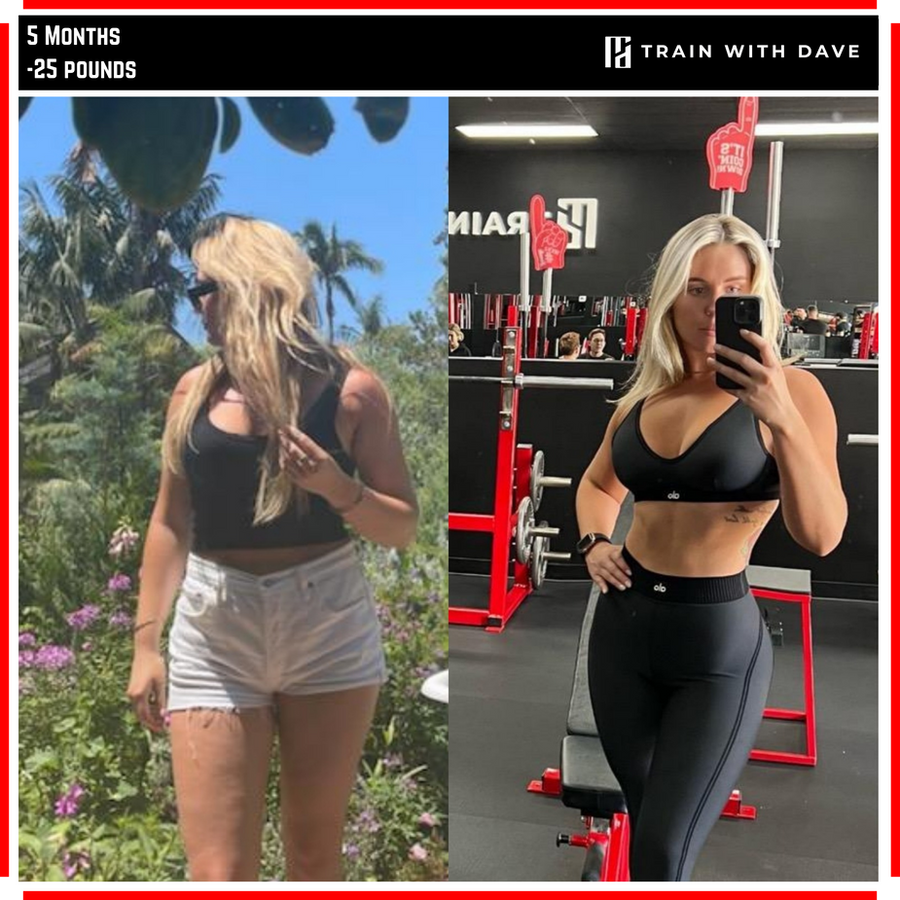
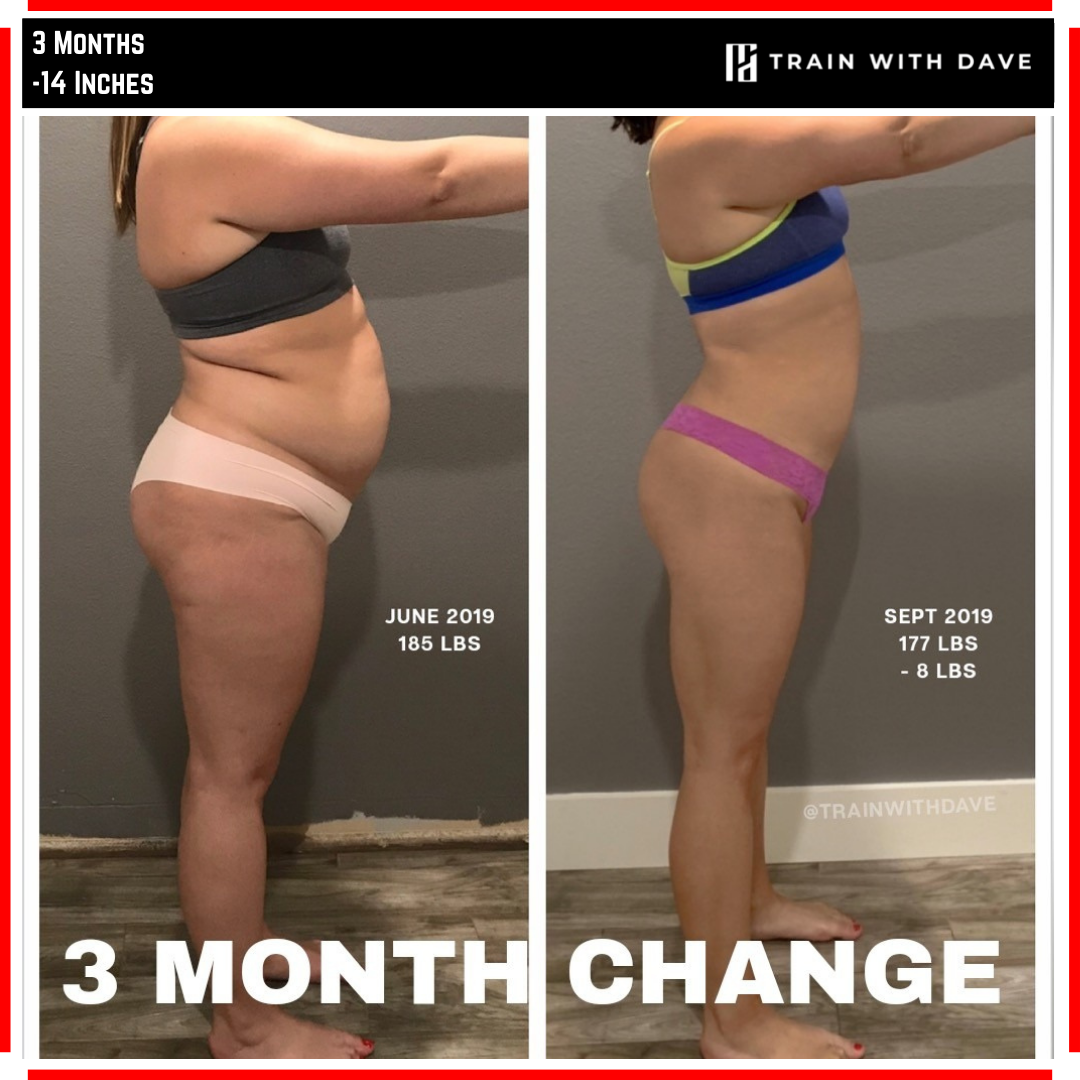
Every transformation below is a Train With Dave client reporting their own numbers.
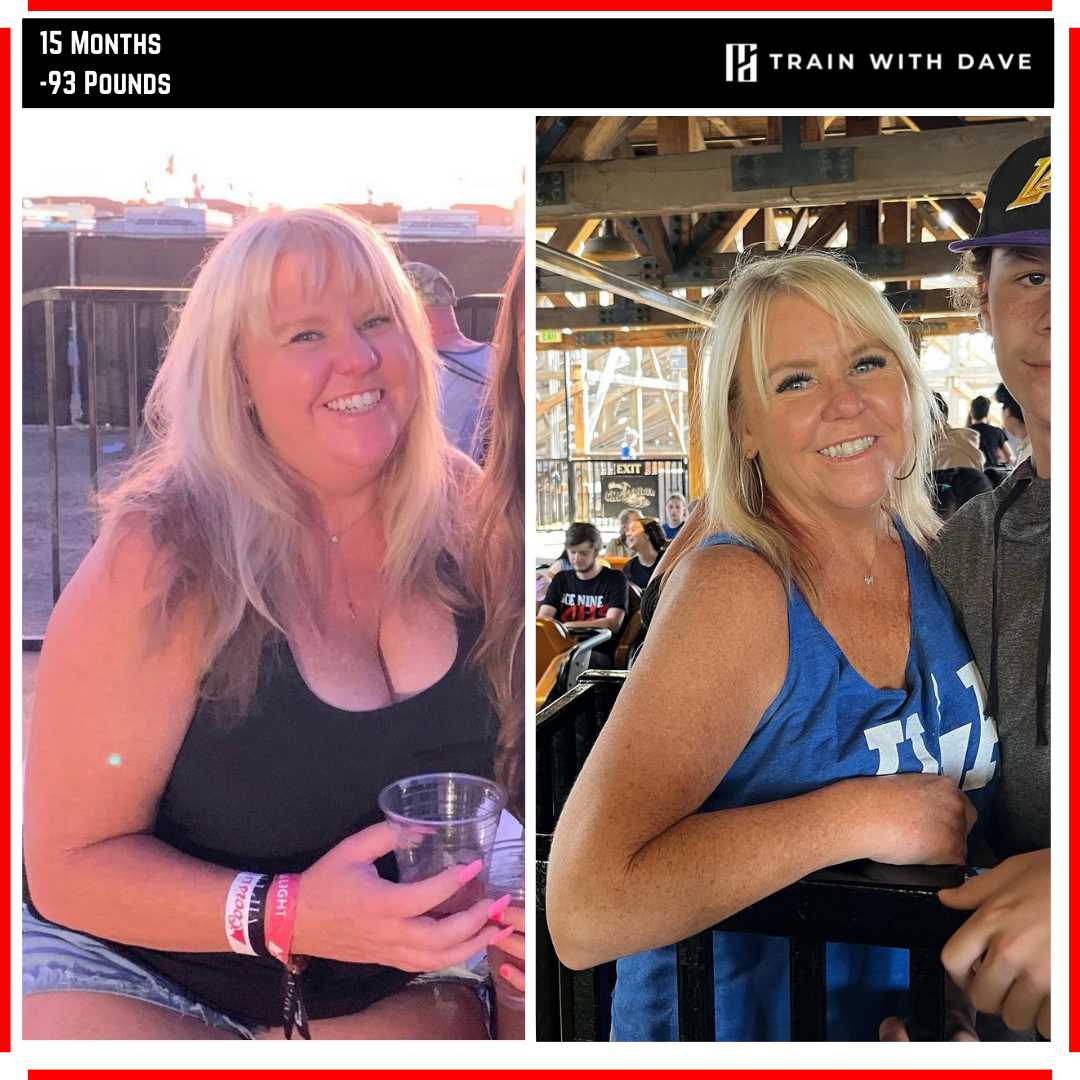
"Hands down the best investment I've made for myself. I've lost over 100 pounds!"
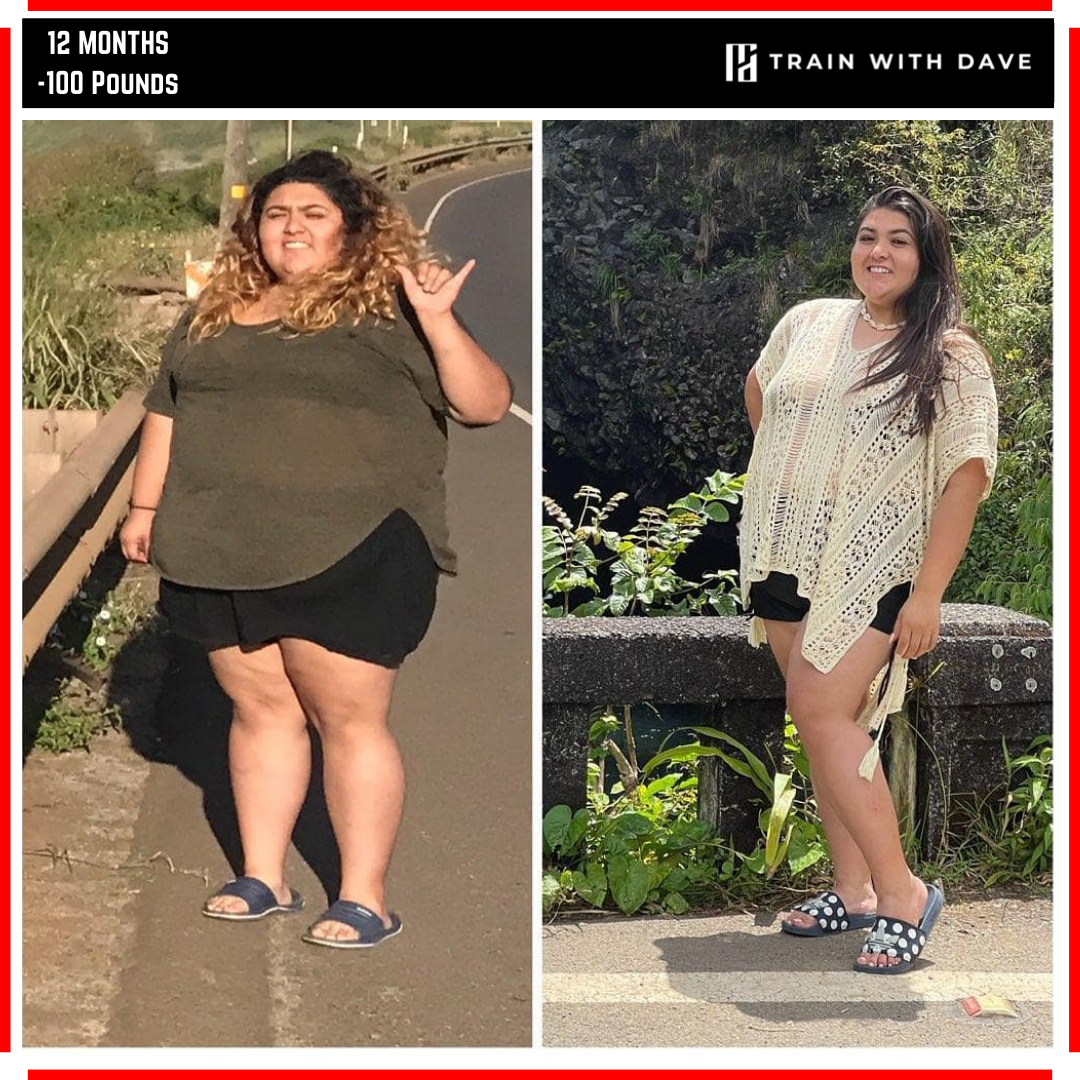
"I lost almost 30 lbs in 4 months without having to completely deprive myself from foods and restaurants I like."
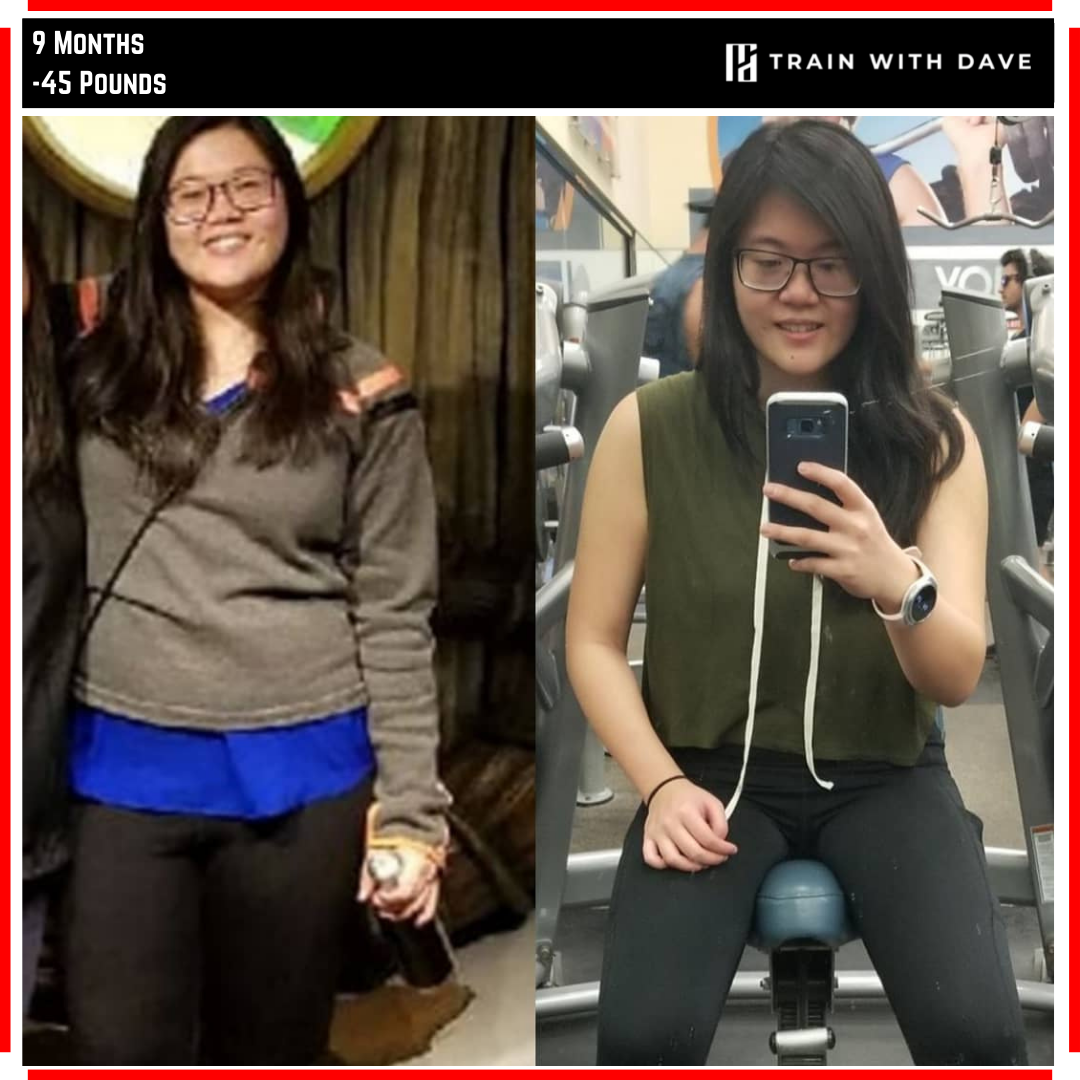
"In 3 months I'm down 20+ lbs and 11% pure body fat. More importantly this is a lifestyle change not a quick fix."
A free 45-minute consult in a 1-hour block at our Orange, Irvine, or Laguna Hills studio. You walk out with a real plan — yours to keep, whether you train with us or not. No credit card. No pressure.
Calendar not loading? Call (714) 904-2036 and we’ll book it for you.
You did everything that used to work. The deficit that always dropped five pounds did nothing. The workouts you could recover from in a day now cost you three. The weight settled somewhere it never used to settle. And somewhere in there you started wondering whether the problem was you.
It isn't. What happens to a woman's body after a baby, and again through perimenopause, is a documented shift in body composition, recovery capacity, and where fat is stored. It is not a willpower problem — and it responds to the right training.
The Study of Women's Health Across the Nation (SWAN), the largest long-term study of the menopause transition, found that roughly two years before the final menstrual period, the rate of fat gain doubles and lean mass begins to decline — with both continuing until about two years after.
As estrogen falls, fat storage also shifts from the hips and thighs toward the abdomen. That abdominal visceral fat is metabolically active and inflammatory, which is why this shows up as a health marker and not only a clothing-size one.
What that means for how we program: the lever is lean mass. Losing muscle through this window lowers your resting metabolic rate, which makes every phase after it harder. Protecting and adding muscle is the intervention.
Sources: SWAN — Changes in Body Composition and Weight During the Menopause Transition · JCI Insight · Increased visceral fat and decreased energy expenditure during the menopausal transition (PubMed)
The LIFTMOR randomized controlled trial (Watson et al., Journal of Bone and Mineral Research, 2018) put postmenopausal women who already had osteopenia and osteoporosis through twice-weekly, 30-minute supervised high-intensity resistance and impact training — five sets of five reps above 85% of one-rep max — for eight months.
They saw significantly greater gains in lumbar spine and femoral neck bone mineral density than the low-intensity home-exercise control group, plus improvements in functional strength.
Two things worth saying plainly. One: the women in that trial already had low bone density, and heavy supervised lifting was safe and effective for them specifically. Two: twice a week, thirty minutes. That is the dose in the literature — and it is the dose most of our clients actually train at.
Protecting and building bone density is one of the most direct reasons to train through this stage — and it's something clients notice. One of our Irvine clients puts it plainly: her program "improved my bone density and maintained acceptable blood sugar values."
We don't diagnose. If you already have a diagnosis, we build your program alongside your physician's guidance — which is exactly how it should work.
Sources: Journal of Bone and Mineral Research · PubMed 28975661
The American College of Obstetricians and Gynecologists, in Committee Opinion No. 804 (2020), states that aerobic and strength conditioning exercise should be encouraged before, during, and after pregnancy — and that exercise in the postpartum period is a factor in preventing depressive disorders.
What that means for how we program: we build back in order — breathing and core control first, then loading. We coach around the complications that actually come with the postpartum year: a core that doesn't fire the way it used to, a back carrying a toddler all day, broken sleep, and the calorie needs of a nursing mother. That's programming, and it's what we do.
We train postpartum clients once their provider has cleared them, and we work alongside that guidance. We don't diagnose — but we do build the program around whatever you're managing.
Source: ACOG Committee Opinion No. 804
Every coach at Train With Dave holds a degree — most in kinesiology, several at the master's level, including one finishing her Doctor of Physical Therapy.
That matters for this specifically. Programming around a changing hormonal profile is an applied physiology problem: bone loading, protein utilization, recovery capacity, progressive overload. It is what a kinesiology curriculum spends years on — and it is the difference between a coach who has read about your situation and one who understands the mechanism underneath it.
We also have a nutritionist on staff, and every trainer holds our in-house nutrition certification — so nutrition isn't an upsell or a PDF someone emails you. It's coached alongside your training by the same person. Through postpartum and perimenopause that matters more than usual, because protein needs and calorie needs move, and a generic deficit is the wrong tool at exactly the moment most people reach for it.
You'll be paired with the coach who best fits your personality, your goals, and your schedule. That match-up happens at your free consultation.
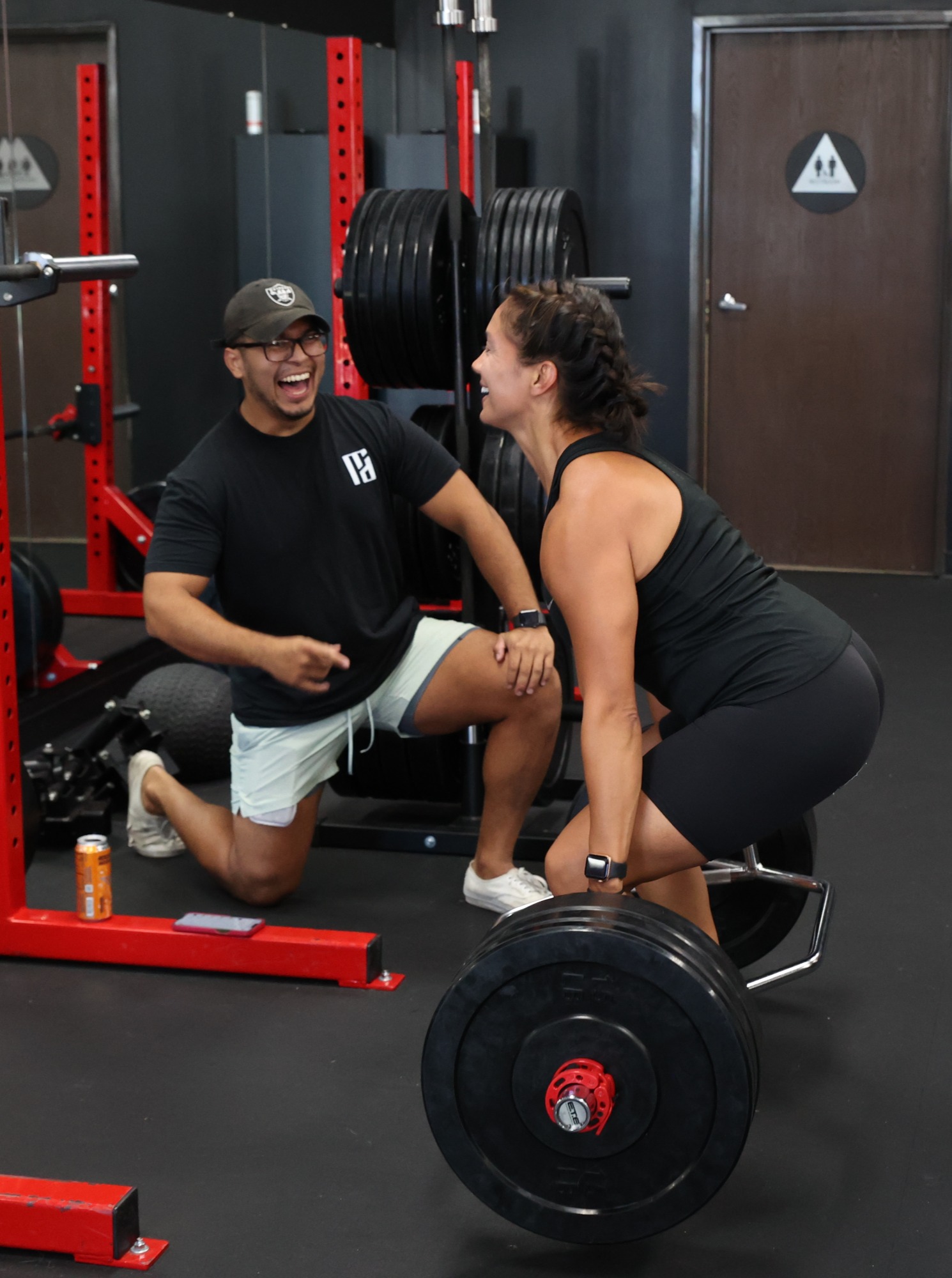
"I started this journey after I gave birth to my son. I started about 3 months postpartum and my pregnancy weight was 230. When I started working out at TWD I was around 210. I'm now around 180–184 fluctuating. This is only by working out 2 days a week and minor adjustments to my meals since I am still breastfeeding and need to keep my calories maintained. My weight before pregnancy was 175 so I'm almost back to my goal. My trainer continues to check on me every week. I've had a very pleasant experience here and highly recommend."
— Jordan O., Train With Dave Orange · 5-star Google review, July 2026
"5 star trainer and coach at Train With Dave helped me achieve my strength training goals. Excellent coaching and focused exercises improved my bone density and maintained acceptable blood sugar values. Health is real wealth."
— Marlyn S., Train With Dave Irvine · 5-star Google review, July 2026
Fat loss, chronic pain, rebuilding after a bad experience with another trainer — these are different starting points with the same approach behind them.